Best Crawl Space Vapor Barrier: Compare Before You Buy
The best crawl space vapor barrier is a documented membrane system that suits the ground, expected service traffic and installation details. Thickness matters, but it is not a complete measure of moisture performance or durability. Compare water vapor permeance, relevant mechanical test data, roll layout and compatible sealing materials before buying.
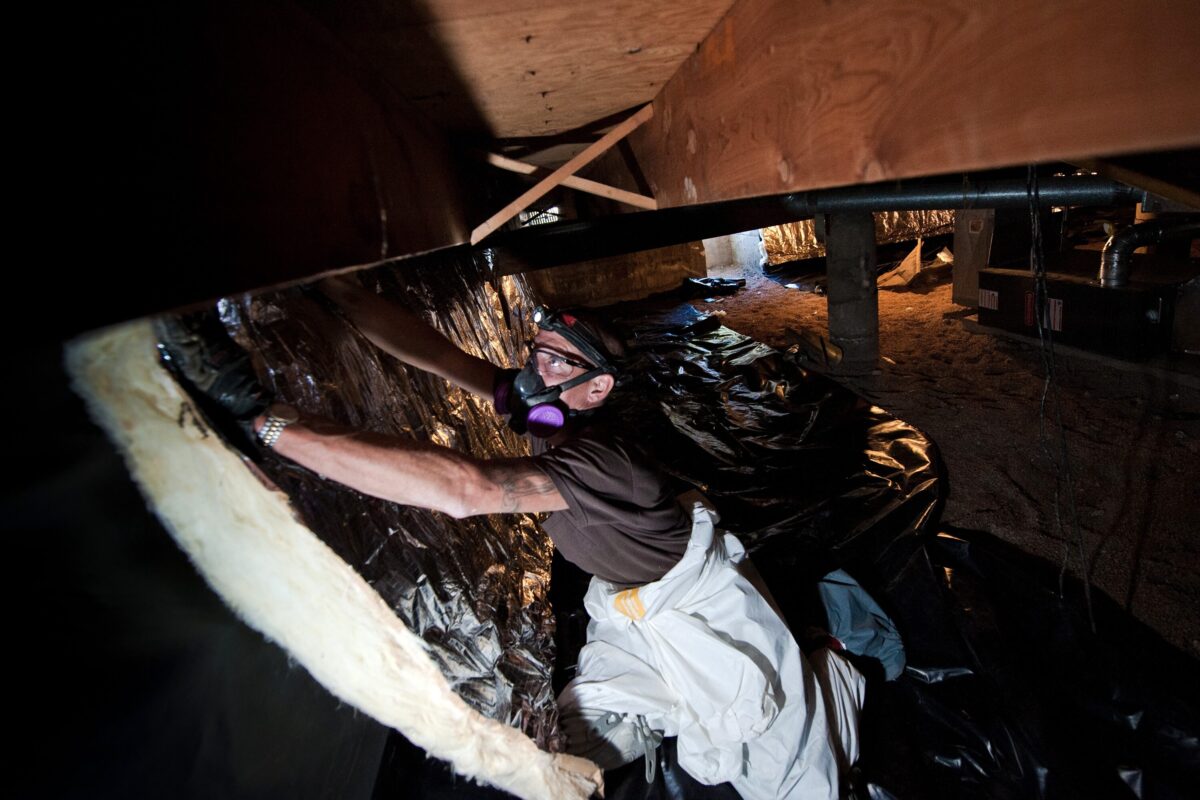
This research-based guide compares three documented StegoCrawl material options to show those tradeoffs. It is not a hands-on tear test, an exhaustive ranking of every brand or proof that one manufacturer is the only suitable choice. The product links are ordinary, unpaid links; recommendations should be assessed against your actual project.
Fix liquid-water problems before covering the ground
A vapor barrier reduces vapor movement through the ground-cover system. It is not a substitute for managing water that flows into or rises beneath the crawl space. If water appears after storms, investigate its entry path first. If a liner is already installed, investigate water underneath it before ordering a replacement.
The intended project also matters. A ground-cover repair and a complete encapsulation involve different boundaries and drying arrangements. Compare the scope of ground cover, wall detailing, drainage and humidity control before comparing liner rolls with a contractor’s complete-system quote.
Three material options worth comparing
The following are manufacturer-published properties, not measurements made by CrawlSpaceInsight. Test methods and current data sheets should accompany the purchase. Lower permeance means less vapor transmission through the tested material; it says nothing by itself about the quality of your seams, walls or drainage.
| Material | Published water vapor permeance | Published puncture resistance | Useful decision question |
|---|---|---|---|
| StegoCrawl Wrap 15-Mil | 0.008 perms | 198 N | Does the added material performance justify the project cost and handling needs? |
| StegoCrawl Wrap 10-Mil | 0.023 perms | 122 N | Does this provide the specification and workable roll layout the job needs? |
| StegoCrawl Wrap 6-Mil Reinforced | 0.084 perms | 79 N | Is a lighter reinforced membrane suitable for the substrate and expected access? |
StegoCrawl Wrap 15-Mil
The 15-mil product page lists a low-permeance membrane and roll options including 14 by 100 feet and 5 by 200 feet. That allows different layouts for ground areas and perimeter detailing. Its value should be assessed as part of a complete sealed installation rather than as an isolated roll thickness.
Consider it where the specified material performance and service conditions support the choice. Check handling room, the path into the crawl space and the amount of waste created by the floor plan. A wide roll that reduces seams on paper can still be difficult to maneuver through a small opening.
StegoCrawl Wrap 10-Mil
The 10-mil material provides another documented comparison point, with a 12-by-100-foot roll listed by the manufacturer. It may suit a project where its actual published properties, complete accessory system and delivered cost meet the specification.
Do not assume “10 mil” from another brand means the same formulation or mechanical performance. Ask for that product’s own data and installation instructions. Similarly, one higher mechanical-test number does not establish superiority under every possible type of damage.
StegoCrawl Wrap 6-Mil Reinforced
The 6-mil reinforced version is a different construction from unspecified generic plastic sheeting. The manufacturer describes scrim reinforcement, publishes material properties and lists a 20-by-100-foot roll.
Consider this as a documented lighter option, not a universal answer for sharp ground or repeated crawling. Substrate preparation and protection of service routes still matter. A reinforced label does not make a membrane immune to punctures, poor seams or damage around supports.
Why “20 mil is always best” is an incomplete rule
A mil is one-thousandth of an inch; it is not a millimeter. Nominal thickness can help screen products, but different formulations and reinforcement designs can perform differently. Use comparable test methods when comparing published strength numbers rather than assuming thickness supplies all the answers.
Ask whether a thick product is still manageable around piers and penetrations. A membrane with excellent material properties can leave a weak system if it is folded awkwardly, damaged during installation or poorly attached at the perimeter. The most useful comparison combines the sheet with a practical, documented installation plan.
Order a system, not just plastic
Seam tape, compatible bonding materials, termination details and patches belong in the purchase list. Check that the chosen products are approved for the membrane and the surface they will contact. General-purpose tape that happens to stick on installation day is not evidence of long-term compatibility.
Measure the ground area, planned wall coverage, piers, overlaps and detailing allowance. Roll coverage printed on a box is gross material area, not the guaranteed finished area of a sealed system. Overlaps use material twice, so reduce usable coverage when planning the roll layout.
Compare the delivered basket: membrane, accessories, shipping and any protection for access paths. A lower price per roll may be less attractive after adding the tape and detailing material needed for the actual layout.
Ground cover and humidity equipment solve different pathways
Reducing ground vapor can lower the moisture burden, but it does not prove that no drying equipment will be needed. Conversely, an appliance can lower air humidity while a poor ground cover continues to add load. Assess the complete moisture-control strategy and use representative humidity measurements to judge conditions.
Where a dehumidifier is justified, our equipment comparison helps match it to access, drainage and the documented conditions. Keep those costs separate from the membrane comparison so you can understand what each part contributes.
Questions for the supplier or installer
- What exact product, thickness and current data sheet are included?
- Which test methods support the stated permeance and strength figures?
- How will seams, walls, piers and penetrations be sealed?
- What surface preparation and service-path protection are required?
- What roll layout, overlap and waste allowance were used for the quantity?
- How are drainage, termite inspection access and any soil-gas system accommodated?
Does a vapor barrier solve radon by itself?
Do not assume that a membrane’s soil-gas-related material properties establish a complete radon solution. Testing, connections, penetrations and any required mitigation system need their own assessment. Check with a qualified radon professional where relevant, and retain the post-work testing plan.
Can I put a new liner over old plastic?
That depends on the condition beneath and above the existing material and the proposed system. First identify water, contamination, debris and damaged details. A clean-looking new top layer can conceal a problem that still needs repair. Ask the installer to explain whether removal or retention is appropriate for your site.